1828 Webster’s Dictionary Historical Reference
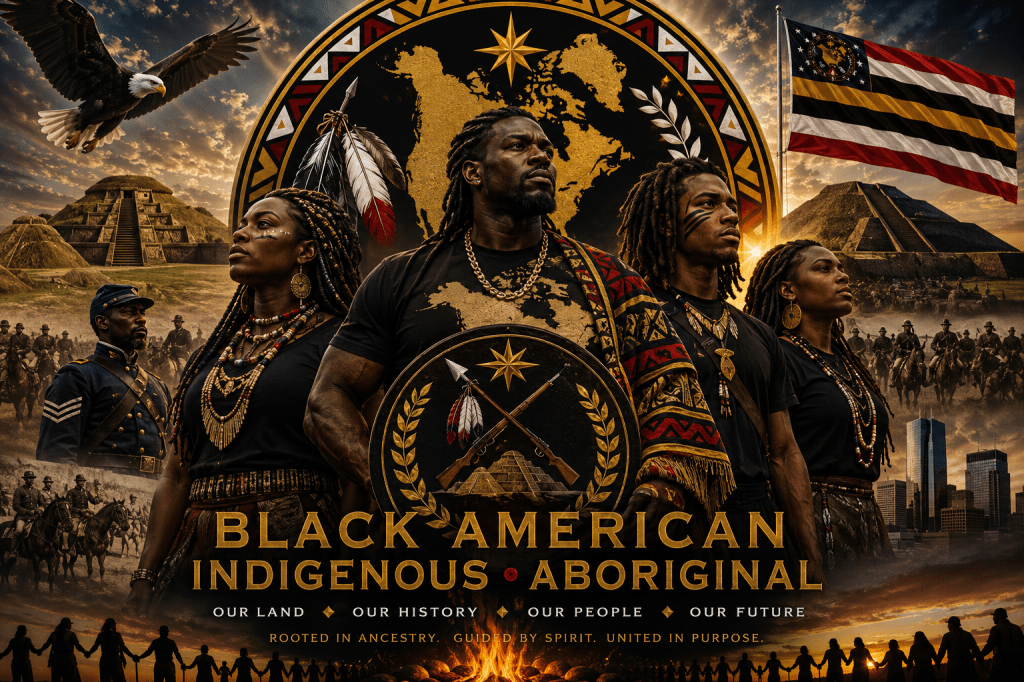
Noah Webster’s 1828 American Dictionary of the English Language defined an “American” as “a native of America,” noting that the term was originally applied to the Indigenous (“aboriginal” or “copper-colored”) peoples encountered by Europeans, while also observing that by 1828 it had come to be applied to descendants of Europeans born in America. This reflects a historical dictionary definition from 1828 and provides insight into how the term “American” was understood and evolving during that period.
https://webstersdictionary1828.com/dictionary/american
Seminole Negro Indians (Black Seminoles)
- March 17, 1870 — Captain Jacob DeGress (Fort Duncan) to Assistant Adjutant General H. Clay Wood requesting permission for Seminole Negroes to enter the United States.
- March 17, 1870 — Safe Passage Letter authorizing Seminole Negroes to cross the U.S.–Mexico border.
- April 26, 1870 — Commissioner of Indian Affairs Ely Parker to Secretary of the Interior J. D. Cox discussing what should be done regarding the Seminole Negroes.
- May 21, 1870 — Department of Texas correspondence authorizing rations and requesting assistance from the Seminole Negroes against the Kickapoo.
- July 14, 1870 — Major Zenas Bliss requests permission to enlist Seminole Negroes as Indian Scouts.
- July 20, 1870 — General J. J. Reynolds officially authorizes the first enlistment of the Seminole Negro Indian Scouts. This is one of the key documents because it contains the official military designation.
- August 16, 1870 — The first detachment of eleven Seminole Negro Indian Scouts is officially mustered into U.S. Army service at Fort Duncan, Texas.
The Historical Society explains that these letters are drawn from Library of Congress and National Archives records and document the negotiations between Black Seminole leaders, the War Department, and the Bureau of Indian Affairs leading to the creation of the Scouts.
One especially important point for your BAIU research is that the Society itself notes that the U.S. Government historically referred to the community by several official names over time, including:
- Seminole Negroes
- Indian Negroes
- Seminole Negro Indian Scouts
- Seminole Freedmen
while modern usage often prefers Black Seminoles.
https://www.seminolenegroindianscouts.org/primary-documents?utm
Gullah Geechee
The Gullah Geechee are a historic Black American cultural community whose roots trace primarily to the Sea Islands and coastal regions of South Carolina, Georgia, North Carolina, and Florida. Through generations of geographic isolation, they preserved a distinctive culture that includes unique language traditions, foodways, music, craftsmanship, spiritual practices, and community customs. Their history is deeply connected to the broader story of Black American ethnogenesis, resilience, and nation-building in the United States.
Today, many Gullah Geechee families continue to preserve their ancestral heritage while contributing to the larger Black American community. Their history provides valuable documentation for genealogy, land ownership, military service, Reconstruction, and the cultural development of Black Americans throughout the southeastern United States.
Library of Congress – Gullah/Geechee History & Culture
https://guides.loc.gov/gullah-geechee-history
Library of Congress – Gullah/Geechee Digital Collections
https://guides.loc.gov/gullah-geechee-history/digital-collections
Library of Congress – Gullah Geechee American Folklife Collections
https://guides.loc.gov/gullah-geechee-folklife
U.S. National Park Service – Gullah Geechee Cultural Heritage Corridor
https://www.nps.gov/guge/index.htm
U.S. Congress – Gullah/Geechee Cultural Heritage Act (H.R. 694)
https://www.congress.gov/bill/109th-congress/house-bill/694
National Archives Catalog
National Archives – Freedmen’s Bureau Records
https://www.archives.gov/research/african-americans/freedmens-bureau
National Archives – Civil War Military Records
https://www.archives.gov/research/military/civil-war
Library of Congress Digital Collections
https://www.loc.gov/collections
Penn Center (St. Helena Island, South Carolina)
South Carolina Department of Archives & History
Georgia Archives
https://www.georgiaarchives.org
North Carolina State Archives
Florida Memory (Florida State Archives)
These are the primary federal, state, and archival repositories used by historians and genealogists researching Gullah Geechee history, genealogy, land ownership, military service, and Reconstruction.
Cherokee Freedmen
- National Archives – Wallace Rolls of Cherokee Freedmen (1890–1896)
- Lists authenticated Cherokee Freedmen, admitted Freedmen, questioned applicants, family information, ages, residences, and citizenship investigations.
- National Archives – Kern-Clifton Roll of Cherokee Freedmen (1897)
- Compiled to correct and supplement the Wallace Rolls; includes family groups, ages, sex, district of residence, and enrollment information.
- National Archives – Dawes Commission Records
- Includes the Final Rolls for the Cherokee, Choctaw, Chickasaw, Creek, and Seminole Nations, including Freedmen rolls.
- National Archives – Bureau of Indian Affairs Tribal Rolls
- Gateway to Indian Census Rolls, Dawes Rolls, Cherokee Freedmen rolls, removal rolls, allotment rolls, and other BIA records.
Creek (Muscogee) Freedmen
- National Archives – Dawes Commission Records (Creek Freedmen)
- National Archives – Bureau of Indian Affairs Tribal Rolls
These collections include:
- Creek Freedmen enrollment
- Dawes Census Cards
- Land allotments
- Indian Census Rolls
- Muscogee records preserved by the federal government.
Choctaw Freedmen
Official records include:
These contain:
- Choctaw Freedmen enrollment
- Census cards
- Allotments
- Family records
- Federal enrollment records.
Chickasaw Freedmen
Official archives:
- National Archives – Dawes Commission Records
- National Archives – Bureau of Indian Affairs Tribal Rolls
These include Chickasaw enrollment records, allotments, census cards, and related documentation.
Lumbee
Key official sources include:
- North Carolina State Archives
- Library of Congress Collections
- Congressional bills concerning Lumbee recognition
- Tribal government archives
Brass Ankles
There is no single federal archive devoted to the Brass Ankles because they were not a federally recognized tribe. Research relies on:
- South Carolina Department of Archives and History
- County land records
- Church registers
- Court records
- Census schedules
- Tax records
- Historical newspapers
Redbones
Primary sources include:
- Louisiana State Archives
- Texas State Library and Archives
- Parish and county deed books
- Military records
- Census schedules
- Court records
Melungeons
Primary historical sources include:
- Virginia State Library
- Tennessee State Library and Archives
- North Carolina State Archives
- Census schedules
- Church records
- Court proceedings
- Land grants
- Probate records
Modern DNA studies can complement genealogy but should be presented separately from historical records.
Nanticoke Moors
Research sources include:
- Delaware Public Archives
- Census records
- Church records
- Land records
- State recognition documents
- Local historical societies
Treaty of 1866 Collection
1. Cherokee Treaty of 1866
Official Source (Library of Congress)
Official Source (Oklahoma State University)
Relevant Articles
- Article 4 (Freedmen citizenship)
- Article 9 (Land)
- Education
- Civil rights
- Nation rebuilding
2. Creek (Muscogee) Treaty of 1866
Official Source
Contains
- Freedmen citizenship
- Land cessions
- Rights
- Nation reconstruction
3. Choctaw & Chickasaw Treaty of 1866
Official Source
Contains
- Freedmen provisions
- Land
- Citizenship negotiations
- Education
- Federal relations
4. Seminole Treaty of 1866
Official Source
Contains
- Seminole Freedmen
- Citizenship
- Land
- Nation reconstruction
National Archives
Native American Records
https://www.archives.gov/research/native-americans
Native American Rolls
https://www.archives.gov/research/native-americans/rolls
Dawes Rolls
https://www.archives.gov/research/native-americans/dawes
Indian Census Rolls
https://www.archives.gov/research/native-americans/census
Library of Congress
Indian Treaties Collection
https://www.loc.gov/collections/indian-land-cessions-in-the-united-states
Congressional Documents
Congress.gov
Search terms:
- Cherokee Freedmen
- Creek Freedmen
- Choctaw Freedmen
- Chickasaw Freedmen
- Seminole Freedmen
Bureau of Indian Affairs
Official website
Search:
- Tribal enrollment
- Historical records
- Genealogy
- Indian census
- Agency records
Dawes Commission Records (1893–1914)
Official National Archives Collection
The Dawes Commission (Commission to the Five Civilized Tribes) was established by the United States Government in 1893 to create official citizenship rolls for the Five Civilized Tribes in Indian Territory (present-day Oklahoma). These records are among the most important primary sources for researching the history of the Cherokee, Chickasaw, Choctaw, Creek (Muscogee), and Seminole Nations, including the enrollment of Freedmen and their descendants.
Official National Archives Portal
Website
https://www.archives.gov/research/native-americans/dawes
This is the National Archives’ primary portal for Dawes Commission records.
Dawes Records Guide
Website
https://www.archives.gov/research/native-americans/dawes/dawes-records.html
This guide explains the history of the Dawes Commission and describes the major record collections available to researchers.
Bureau of Indian Affairs Tribal Rolls
Website
https://www.archives.gov/research/native-americans/rolls
This National Archives collection provides access to numerous federal tribal rolls, including:
- Dawes Rolls
- Indian Census Rolls
- Wallace Roll of Cherokee Freedmen
- Kern-Clifton Roll of Cherokee Freedmen
- Baker Roll
- Guion Miller Roll
- Allotment Rolls
- Removal Rolls
- Judgment Rolls
- Annuity Rolls
These records were created through treaties, legislation, allotments, removals, and other federal administrative actions.
Wallace Roll of Cherokee Freedmen
Website
https://www.archives.gov/research/native-americans/rolls/wallace.html
The Wallace Roll documents Cherokee Freedmen and their descendants and is an important historical source for genealogy and Cherokee citizenship research.
Kern-Clifton Roll of Cherokee Freedmen (1897)
Website
https://www.archives.gov/research/native-americans/rolls/kern-clifton.html
Compiled to correct omissions and discrepancies in the Wallace Roll, the Kern-Clifton Roll lists Cherokee Freedmen, family members, ages, districts of residence, and related enrollment information.
Final Dawes Rolls
The Final Dawes Rolls contain approved enrollment records for members of the Five Civilized Tribes, including:
- Cherokee by Blood
- Cherokee Freedmen
- Creek (Muscogee) Freedmen
- Choctaw Freedmen
- Chickasaw Freedmen
- Seminole Freedmen
- Delaware adopted by the Cherokee
- Mississippi Choctaw
- Citizens by Marriage
Each record may include:
- Name
- Roll Number
- Census Card Number
- Age
- Sex
- Family relationships
- Enrollment classification
Dawes Enrollment (Census) Cards
The Enrollment Cards (also called Census Cards) frequently contain:
- Entire family groups
- Parents
- Children
- Marriages
- Births
- Death annotations
- Residences
- Tribal enrollment information
- Cross references to relatives
For many Freedmen records, the cards also include historical information recorded during the enrollment process concerning formerly enslaved individuals and their families.
Enrollment Jackets (Applications)
Enrollment Jackets often include:
- Original applications
- Sworn testimony
- Witness statements
- Correspondence
- Affidavits
- Family history
- Supporting evidence
- Appeals
These records are among the richest genealogical sources preserved by the National Archives.
Land Allotment Jackets
Land Allotment Jackets may include:
- Legal land descriptions
- Allotment maps
- Property improvements
- Correspondence
- Notices of contested allotments
- Family references
These files document the federal allotment process that followed enrollment.
Library of Congress Research Guide
Website
https://guides.loc.gov/native-americans/rolls
The Library of Congress provides a research guide explaining how to locate and use Dawes Rolls, Indian Census Rolls, Baker Rolls, Guion Miller Rolls, Wallace Rolls, Kern-Clifton Rolls, and related federal records.
Additional National Archives Research Portal
Website
https://www.archives.gov/research/native-americans
This portal serves as the National Archives’ central access point for American Indian and Alaska Native records, research guides, and historical collections.
Historical Importance
The Dawes Commission records remain some of the most significant federal records for researching citizenship, family genealogy, land allotments, and the historical experiences of the Five Civilized Tribes and their Freedmen. Today, historians, genealogists, tribal citizens, and researchers continue to rely on these collections to document family histories and better understand the historical development of these communities.
Indian Census Rolls (1885–1940)
Official National Archives Collection
The Indian Census Rolls (1885–1940) are annual census records created by the Bureau of Indian Affairs (BIA). These records document thousands of Native American individuals and families across numerous tribes and agencies throughout the United States. They are an important primary source for genealogy, family history, tribal research, and historical documentation.
The census rolls were compiled by local Indian agents and typically recorded individuals living under the jurisdiction of a particular agency during each census year.
Official National Archives Portal
Website
https://www.archives.gov/research/native-americans/census
The National Archives provides an overview of the Indian Census Rolls, explains how they were created, and describes where the original records are housed.
Bureau of Indian Affairs Records
Website
https://www.archives.gov/research/native-americans
The National Archives maintains numerous Bureau of Indian Affairs records, including census rolls, agency correspondence, school records, allotment records, and enrollment documents.
National Archives Native American Research Portal
Website
https://www.archives.gov/research/native-americans/rolls
Researchers can access additional tribal rolls and related records, including:
- Indian Census Rolls
- Dawes Rolls
- Wallace Roll
- Kern-Clifton Roll
- Baker Roll
- Guion Miller Roll
- Removal Rolls
- Allotment Rolls
- Judgment Rolls
- Annuity Rolls
Family Information Commonly Found
Indian Census Rolls frequently include:
- Full Name
- Census Number
- Age
- Sex
- Date of Birth (in later years)
- Relationship to Head of Household
- Marital Status
- Tribal Affiliation
- Agency
- Reservation
- Family Members
- Residence
- Death Notations (occasionally)
- Transfers Between Agencies
Historical Research Uses
Researchers commonly use the Indian Census Rolls to:
- Document family genealogy
- Trace multiple generations
- Locate ancestors
- Verify tribal agency residence
- Study migration patterns
- Research community development
- Connect family groups
- Support historical research
Bureau of Indian Affairs Agencies
The census rolls were organized by BIA agency rather than by state. Examples include:
- Cherokee Agency
- Creek Agency
- Choctaw Agency
- Chickasaw Agency
- Seminole Agency
- Navajo Agency
- Osage Agency
- Kiowa Agency
- Numerous additional tribal agencies across the United States.
Historical Significance
Unlike a single federal census, the Indian Census Rolls were compiled nearly every year for more than five decades. This allows researchers to follow individuals and families through time, making the collection one of the most valuable resources for Native American genealogy and historical research.
When used together with Dawes Commission records, land allotment records, treaty documents, military records, and tribal enrollment records, the Indian Census Rolls provide a more complete picture of the lives and communities of Native peoples during the late nineteenth and early twentieth centuries.
Additional Research Resources
National Archives Native American Research
https://www.archives.gov/research/native-americans
National Archives Indian Census Rolls
https://www.archives.gov/research/native-americans/census
National Archives Tribal Rolls
https://www.archives.gov/research/native-americans/rolls
Library of Congress Native American Research Guides
https://guides.loc.gov/native-americans
Historical Preservation Statement
The Black American International Union (BAIU) encourages researchers, historians, genealogists, and families to consult original federal records whenever possible. The Indian Census Rolls are preserved as historical documents and provide valuable insight into family history, community development, and the historical experiences of Native peoples. These records should be interpreted within their historical context and, where appropriate, supplemented with tribal records, oral histories, local archives, and additional primary sources.
Guion Miller Roll (1906–1910)
Official National Archives Collection
The Guion Miller Roll was created following a decision by the United States Court of Claims regarding payments awarded to eligible Eastern Cherokee descendants under treaties between the Cherokee Nation and the United States. Between 1906 and 1910, Special Commissioner Guion Miller reviewed thousands of applications submitted by individuals claiming Cherokee ancestry.
Today, these records remain one of the most valuable federal genealogical collections for researching Cherokee ancestry and family history.
Official National Archives Portal
Website
https://www.archives.gov/research/native-americans/rolls/guion-miller-rolls
The National Archives explains the history of the Guion Miller Roll, the application process, and the records preserved within the collection.
National Archives Native American Rolls
Website
https://www.archives.gov/research/native-americans/rolls
The Guion Miller Roll is one of several important federal Native American record collections maintained by the National Archives.
National Archives Native American Research
Website
https://www.archives.gov/research/native-americans
This research portal provides access to numerous historical collections relating to Native American genealogy and federal records.
FamilySearch Digital Collection
Website
https://www.familysearch.org/search/collection/1924996
FamilySearch provides a searchable digital index of many Guion Miller applications and supporting records for genealogical research.
Ancestry Research Collection
Website
https://www.ancestry.com/search/collections/1643
Ancestry provides searchable indexes and digitized images of Guion Miller applications for subscribers.
What the Records May Include
Applications frequently contain:
- Applicant’s full name
- Parents’ names
- Grandparents’ names
- Great-grandparents (in some cases)
- Birth dates
- Birthplaces
- Marriage information
- Children’s names
- Siblings
- Previous residences
- Family migrations
- Witness testimony
- Affidavits
- Supporting correspondence
- Tribal claims
- Reasons for approval or rejection
Historical Importance
Even applications that were denied often contain extensive genealogical information. Researchers frequently use these records to reconstruct family histories, identify ancestral communities, trace migration patterns, and compare family information with census records, Dawes Commission records, Indian Census Rolls, military records, and land records.
Related National Archives Collections
Researchers often consult the Guion Miller Roll together with:
- Dawes Commission Records
- Indian Census Rolls
- Wallace Roll
- Kern-Clifton Roll
- Baker Roll
- Eastern Cherokee Applications
- Removal Rolls
- Land Allotment Records
Additional Research Resources
National Archives Native American Research
https://www.archives.gov/research/native-americans
National Archives Tribal Rolls
https://www.archives.gov/research/native-americans/rolls
National Archives Guion Miller Roll
https://www.archives.gov/research/native-americans/rolls/guion-miller-rolls
FamilySearch
https://www.familysearch.org/search/collection/1924996
Ancestry
https://www.ancestry.com/search/collections/1643
Historical Preservation Statement
The Guion Miller Roll is an important historical and genealogical resource that documents applications submitted by individuals seeking recognition as descendants of the Eastern Cherokee for the purpose of sharing in a court-awarded fund. Inclusion in, or exclusion from, the roll reflects the specific legal standards and evidence applied to those claims at the time and should not be interpreted as the sole measure of a person’s ancestry or community identity. Researchers are encouraged to compare these records with census records, treaty records, tribal documents, land records, local archives, and family histories to develop a more complete understanding of their genealogy.
Baker Roll of the Eastern Cherokee (1924–1929)
Official National Archives Collection
The Baker Roll was compiled by Special Indian Agent Fred A. Baker between 1924 and 1929. It served as the basis for identifying members of the Eastern Band of Cherokee Indians following the Baker Act of 1924. Today, the Baker Roll remains one of the principal historical records used in research concerning the Eastern Band of Cherokee Indians and is an important resource for genealogy and family history.
Official National Archives Portal
Website
https://www.archives.gov/research/native-americans/rolls
The National Archives includes information on the Baker Roll within its Native American Rolls research resources and provides guidance on related federal tribal records.
National Archives Native American Research
Website
https://www.archives.gov/research/native-americans
This portal provides access to federal records relating to Native American genealogy, tribal enrollment, census records, military records, and historical documentation.
National Archives Native American Rolls
Website
https://www.archives.gov/research/native-americans/rolls
Researchers can access information about numerous historical roll collections, including:
- Baker Roll
- Dawes Rolls
- Guion Miller Roll
- Wallace Roll
- Kern-Clifton Roll
- Indian Census Rolls
- Removal Rolls
- Allotment Rolls
- Judgment Rolls
- Annuity Rolls
Eastern Band of Cherokee Indians
Official Website
The Eastern Band of Cherokee Indians provides information regarding tribal enrollment requirements, history, government, and genealogy resources.
Family Information Commonly Found
Depending on the record, Baker Roll documentation may include:
- Full name
- Roll number
- Age
- Sex
- Date of birth
- Parents
- Spouse
- Children
- Residence
- Family relationships
- Enrollment information
Historical Importance
The Baker Roll became the foundational membership roll for the Eastern Band of Cherokee Indians during the twentieth century. It continues to be an important historical source for genealogists, historians, and families researching Cherokee ancestry. Researchers often compare Baker Roll records with Dawes Commission records, Indian Census Rolls, Guion Miller applications, treaty records, military records, and local historical archives.
Related Historical Collections
Researchers frequently consult the Baker Roll alongside:
- Dawes Commission Records
- Indian Census Rolls
- Guion Miller Roll
- Wallace Roll
- Kern-Clifton Roll
- Cherokee Census Records
- Land Allotment Records
- Bureau of Indian Affairs Records
Additional Research Resources
National Archives Native American Research
https://www.archives.gov/research/native-americans
National Archives Tribal Rolls
https://www.archives.gov/research/native-americans/rolls
Eastern Band of Cherokee Indians
Historical Preservation Statement
The Baker Roll is an important historical record documenting enrollment within the Eastern Band of Cherokee Indians during the 1920s. Like other federal and tribal enrollment records, it reflects the legal standards and administrative practices of its time. It should be used alongside treaties, census records, tribal records, land records, military records, local archives, and family histories to support comprehensive historical and genealogical research.
Eastern Cherokee Applications (1906–1909)
Official National Archives Collection
The Eastern Cherokee Applications were submitted between 1906 and 1909 by individuals seeking to share in funds awarded by the United States Court of Claims to eligible Eastern Cherokee descendants. More than 45,000 applications were filed, representing over 90,000 individuals. Even when an application was rejected, it often preserved extensive genealogical information that is invaluable to historians and family researchers.
Today, these applications remain one of the largest collections of Native American genealogical records maintained by the federal government.
Official National Archives Portal
Website
https://www.archives.gov/research/native-americans/rolls
The National Archives provides research guidance for the Eastern Cherokee Applications and related federal enrollment records.
National Archives Native American Research
Website
https://www.archives.gov/research/native-americans
This research portal provides access to numerous historical collections relating to Native American genealogy, enrollment, census records, treaties, military records, and tribal documentation.
National Archives Catalog
Website
The National Archives Catalog contains digitized records and descriptions for many Native American collections, including Eastern Cherokee Applications and related records. Researchers can search by name, roll number, application number, tribe, or record group.
FamilySearch Collection
Website
https://www.familysearch.org/search/collection/1924996
FamilySearch provides searchable indexes and digitized images for many Eastern Cherokee Applications and Guion Miller records.
Ancestry Collection
Website
https://www.ancestry.com/search/collections/1643
Ancestry offers searchable indexes and digitized images of the Eastern Cherokee Applications and related Guion Miller records for subscribers.
Information Commonly Found
Applications frequently contain:
- Applicant’s full name
- Application number
- Parents’ names
- Grandparents’ names
- Great-grandparents (when provided)
- Birth dates
- Birthplaces
- Marriage information
- Children’s names
- Siblings
- Residences
- Migration history
- Family Bible references
- Witness testimony
- Affidavits
- Correspondence
- Supporting documentation
- Reasons for approval or rejection
Historical Importance
The Eastern Cherokee Applications preserve one of the richest collections of family history ever assembled for Native American genealogical research. Because applicants were often required to explain their ancestry in detail, these files frequently include multiple generations of family relationships, migration histories, and supporting evidence that cannot be found in many other federal records.
Researchers commonly compare these applications with:
- Dawes Commission Records
- Indian Census Rolls
- Guion Miller Roll
- Baker Roll
- Treaty Records
- Land Allotment Records
- Bureau of Indian Affairs Records
- Military Records
- Federal Census Records
Additional Research Resources
National Archives Native American Research
https://www.archives.gov/research/native-americans
National Archives Tribal Rolls
https://www.archives.gov/research/native-americans/rolls
National Archives Catalog
FamilySearch
https://www.familysearch.org/search/collection/1924996
Ancestry
https://www.ancestry.com/search/collections/1643
Historical Preservation Statement
The Eastern Cherokee Applications provide a remarkable historical record of thousands of families seeking to document Cherokee ancestry in the early twentieth century. While these applications were created for a specific legal claims process and do not alone determine tribal citizenship or ancestry, they are an essential primary source for genealogy and historical research. Researchers are encouraged to use these records alongside treaties, census records, tribal documents, military records, land records, and local archives to develop a more complete understanding of family and community history.
Freedmen’s Bureau Records (1865–1872)
Official National Archives Collection
The Bureau of Refugees, Freedmen, and Abandoned Lands, commonly known as the Freedmen’s Bureau, was established by Congress on March 3, 1865, near the end of the Civil War. The Bureau assisted formerly enslaved people and refugees throughout the Reconstruction era by administering relief programs, labor agreements, education, legal assistance, healthcare, and other services.
Today, the Freedmen’s Bureau Records are among the most important collections of primary historical documents for African American genealogy and Reconstruction-era history. Millions of records have been preserved by the National Archives.
Official National Archives Portal
Website
https://www.archives.gov/research/african-americans/freedmens-bureau
The National Archives provides historical background, research guides, and access information for the Bureau’s records.
National Archives Research Guide
Website
https://www.archives.gov/research/african-americans/freedmens-bureau
Researchers can learn how to locate Bureau records by state, field office, and record type.
National Archives Catalog
Website
Search terms:
- Freedmen’s Bureau
- Bureau of Refugees Freedmen and Abandoned Lands
- Field Office Records
- Marriage Records
- Labor Contracts
- School Records
The National Archives Catalog contains digitized documents and descriptions for many Freedmen’s Bureau collections.
FamilySearch Freedmen’s Bureau Collection
Website
https://www.familysearch.org/search/collection/1414908
FamilySearch provides searchable indexes and digitized images of many Freedmen’s Bureau records.
Smithsonian National Museum of African American History & Culture
Website
https://nmaahc.si.edu/explore/initiatives/freedmens-bureau-search-portal
The Smithsonian’s Freedmen’s Bureau Search Portal provides educational resources and links to digitized records to assist genealogical and historical research.
DiscoverFreedmen.org
Website
https://www.discoverfreedmen.org
This educational project, developed with partners including the Smithsonian, helps researchers understand and locate Freedmen’s Bureau records.
Records Commonly Found
Freedmen’s Bureau records may include:
- Marriage records
- Labor contracts
- Employment agreements
- School records
- Teacher reports
- Student enrollment records
- Hospital records
- Medical reports
- Court records
- Legal disputes
- Ration records
- Refugee assistance
- Land disputes
- Military pension correspondence
- Apprenticeship records
- Complaints and investigations
- Letters between citizens and Bureau officials
Genealogical Information
Many Bureau records contain valuable family information, including:
- Full names
- Parents
- Children
- Spouses
- Former residences
- Occupations
- Birthplaces
- Ages
- Military service
- Family relationships
- Witness testimony
Historical Importance
The Freedmen’s Bureau documented the lives of millions of formerly enslaved people during Reconstruction. Because many records identify multiple generations of family members, marriages, occupations, schools, and communities, they have become one of the most valuable resources for genealogists and historians studying post-Civil War America.
Researchers frequently compare Freedmen’s Bureau records with:
- Federal Census Records
- Freedman’s Bank Records
- Military Service Records
- Dawes Commission Records
- Indian Census Rolls
- Land Records
- State Archives
- County Court Records
- Church Records
Additional Research Resources
National Archives
https://www.archives.gov/research/african-americans/freedmens-bureau
National Archives Catalog
FamilySearch
https://www.familysearch.org/search/collection/1414908
Smithsonian National Museum of African American History & Culture
https://nmaahc.si.edu/explore/initiatives/freedmens-bureau-search-portal
DiscoverFreedmen.org
https://www.discoverfreedmen.org
Historical Preservation Statement
The Black American International Union (BAIU) encourages researchers to consult original Freedmen’s Bureau records when studying Reconstruction-era history and family genealogy. These records provide firsthand documentation of the lives, communities, and experiences of formerly enslaved people and their families during one of the most transformative periods in United States history. Because they were created for administrative purposes, they should be interpreted alongside census records, military records, court documents, church records, state archives, and other primary sources to develop a comprehensive understanding of individual and community histories.
Freedman’s Bank Records (1865–1874)
Official National Archives Collection
The Freedman’s Savings and Trust Company, commonly known as the Freedman’s Bank, was established by Congress on March 3, 1865, to provide banking services to formerly enslaved African Americans, Black Union soldiers, and their families following the Civil War.
Although the bank ultimately failed in 1874, the records created during its operation remain one of the most important primary sources for African American genealogy. Many account registration records include extensive family information that may not exist in any other historical source.
Official National Archives Portal
Website
https://www.archives.gov/research/african-americans/freedmens-bank
The National Archives provides background information on the Freedman’s Bank and guidance for locating surviving records.
National Archives Catalog
Website
Search terms:
- Freedman’s Bank
- Freedman’s Savings and Trust Company
- Register of Signatures
- Depositor Records
- Savings and Trust
The National Archives Catalog contains descriptions and digitized records relating to the Freedman’s Bank.
FamilySearch Collection
Website
https://www.familysearch.org/search/collection/1417695
FamilySearch provides a searchable collection of Freedman’s Bank records, including many depositor registers and indexes.
Ancestry Collection
Website
https://www.ancestry.com/search/collections/1116
Ancestry provides searchable indexes and digitized images of Freedman’s Bank records for subscribers.
Smithsonian National Museum of African American History & Culture
Website
The Smithsonian provides educational resources on Reconstruction, African American genealogy, and the historical significance of the Freedman’s Bank.
Information Commonly Found
Freedman’s Bank registration records may include:
- Full name
- Account number
- Age
- Date of birth (when recorded)
- Birthplace
- Current residence
- Occupation
- Employer
- Military service
- Spouse’s name
- Children’s names
- Parents’ names
- Siblings
- Grandparents (occasionally)
- Former residence
- Signature or mark
- Date the account was opened
Historical Importance
The Freedman’s Bank records preserve detailed personal and family information for thousands of African Americans during Reconstruction. Because many depositors identified multiple generations of relatives, these records are considered one of the most valuable resources for reconstructing family histories after emancipation.
Researchers frequently compare Freedman’s Bank records with:
- Freedmen’s Bureau Records
- Federal Census Records
- Military Service Records
- Pension Files
- County Court Records
- Church Registers
- State Archives
- Land Records
- Vital Records
Additional Research Resources
National Archives
https://www.archives.gov/research/african-americans/freedmens-bank
National Archives Catalog
FamilySearch
https://www.familysearch.org/search/collection/1417695
Ancestry
https://www.ancestry.com/search/collections/1116
Smithsonian National Museum of African American History & Culture
Historical Preservation Statement
The Black American International Union (BAIU) encourages researchers to consult original Freedman’s Bank records as part of a broader genealogical and historical investigation. These records provide firsthand documentation of individuals and families during Reconstruction and often preserve relationships, occupations, military service, and places of origin that are unavailable in other historical sources. They should be used alongside census records, Freedmen’s Bureau records, military records, church records, state archives, and other primary sources to build a more complete understanding of family and community history.
Black Native Military Service & Indian Scouts
Official United States Military Records
Throughout United States history, numerous Black individuals served in military units connected to Native nations, particularly within the Five Tribes and the Seminole Nation. These records are preserved by the National Archives, the U.S. Army, state historical societies, and tribal archives. They document military service, scouting operations, enlistments, pensions, campaigns, and the important role Black Native communities played in the defense and development of the American frontier.
For researchers studying Black American Indigenous heritage, these records provide valuable historical evidence of Black individuals who were recognized within Native communities or served alongside Native nations in official military capacities.
Seminole Negro Indian Scouts
The Seminole Negro Indian Scouts are one of the best-documented examples of Black Native military service in United States history.
Official historical records include:
- U.S. Army enlistment records
- Muster rolls
- Officer correspondence
- Military orders
- Medal of Honor records
- Pension files
- Fort Clark records
- Fort Duncan records
- Congressional documents
- National Archives collections
Historical Resources
Seminole Negro Indian Scouts Historical Society
https://www.seminolenegroindianscouts.org
Primary Documents
https://www.seminolenegroindianscouts.org/primary-documents
National Archives
Indian Home Guard (Civil War)
During the Civil War, Native nations organized military units known as the Indian Home Guard. Historical records document the participation of Cherokee, Creek, Seminole, Choctaw, and other Native communities. Researchers studying Freedmen and tribal communities often consult these records because they may include individuals associated with the Five Tribes.
Official Resources
National Park Service
National Archives Military Records
https://www.archives.gov/research/military
National Archives Catalog
Five Tribes Freedmen Military Records
Military service records exist for members of the:
- Cherokee Freedmen
- Creek (Muscogee) Freedmen
- Choctaw Freedmen
- Chickasaw Freedmen
- Seminole Freedmen
Researchers may locate information within:
- U.S. Army enlistment records
- Pension applications
- Muster rolls
- Veterans’ files
- Dawes Commission records
- Bureau of Indian Affairs records
- Indian Census Rolls
Official Resources
https://www.archives.gov/research/military
https://www.archives.gov/research/native-americans
https://www.archives.gov/research/native-americans/rolls
Medal of Honor Records
Several Seminole Negro Indian Scouts received the Medal of Honor for distinguished military service.
Official Resources
Congressional Medal of Honor Society
U.S. Army Center of Military History
National Archives
Fort Clark Military Records
Fort Clark, Texas, served as the headquarters for the Seminole Negro Indian Scouts for many years.
Historical collections include:
- Enlistment records
- Muster rolls
- Pay records
- Officer reports
- Campaign reports
- Unit correspondence
- Pension records
Official Resources
National Archives
Texas State Historical Association
Bureau of Indian Affairs Military-Related Records
The Bureau of Indian Affairs preserved numerous historical records relating to Native communities, including documentation that may intersect with military service, agency reports, census records, and tribal administration.
Official Resources
https://www.archives.gov/research/native-americans
Historical Research Topics
Researchers may explore:
- Seminole Negro Indian Scouts
- Black Native military service
- Indian Home Guard units
- Five Tribes Freedmen veterans
- Indian Territory military history
- Frontier scouts
- Military pensions
- Enlistment records
- Medal of Honor recipients
- Fort Clark history
- Fort Duncan history
- Family genealogy
- Tribal military history
Additional Research Resources
National Archives Native American Research
https://www.archives.gov/research/native-americans
National Archives Military Records
https://www.archives.gov/research/military
National Archives Catalog
Seminole Negro Indian Scouts Historical Society
https://www.seminolenegroindianscouts.org
Primary Documents
https://www.seminolenegroindianscouts.org/primary-documents
Texas State Historical Association
Congressional Medal of Honor Society
U.S. Army Center of Military History
Historical Preservation Statement
The Black American International Union (BAIU) encourages researchers to examine original military records, tribal records, and federal archives to better understand the documented history of Black individuals who served within Native communities and military organizations. These records provide important historical evidence of military service, community leadership, and family history. They should be studied alongside treaties, Dawes Commission records, Indian Census Rolls, Bureau of Indian Affairs records, land records, and other primary sources to develop a comprehensive understanding of Black Native military history.
Indian Territory Freedmen (1830–1907)
Official Historical Records
Following the removal of the Five Tribes to Indian Territory (present-day Oklahoma), thousands of formerly enslaved people and their descendants lived within the Cherokee, Chickasaw, Choctaw, Creek (Muscogee), and Seminole Nations. Their lives were documented through treaties, tribal governments, federal agencies, census records, schools, courts, churches, military service, and land allotments.
Today, these records provide important historical documentation for understanding the history of the Freedmen communities associated with the Five Tribes.
Official National Archives
Website
https://www.archives.gov/research/native-americans
The National Archives preserves federal records relating to Indian Territory, the Five Tribes, Bureau of Indian Affairs agencies, Dawes Commission records, tribal rolls, and Indian Census Rolls.
National Archives Tribal Rolls
Website
https://www.archives.gov/research/native-americans/rolls
This collection includes records relating to:
- Cherokee Freedmen
- Creek Freedmen
- Choctaw Freedmen
- Chickasaw Freedmen
- Seminole Freedmen
along with numerous federal tribal enrollment records.
Dawes Commission Records
Website
https://www.archives.gov/research/native-americans/dawes
The Dawes Commission documented thousands of citizens and Freedmen living within the Five Tribes.
Researchers may find:
- Family groups
- Enrollment cards
- Citizenship records
- Land allotments
- Testimony
- Correspondence
- Applications
Bureau of Indian Affairs
Website
The Bureau of Indian Affairs administered numerous agencies throughout Indian Territory and preserved records concerning education, land, census, agency reports, tribal governments, and community affairs.
Oklahoma Historical Society
Website
The Oklahoma Historical Society preserves extensive collections relating to Indian Territory, including photographs, newspapers, manuscripts, maps, school records, and tribal history.
Library of Congress
Website
The Library of Congress maintains maps, manuscripts, newspapers, photographs, treaties, and other historical materials documenting Indian Territory and the Five Tribes.
Historical Records May Include
Researchers may locate:
- Citizenship records
- Freedmen Rolls
- Census records
- School enrollment
- Church records
- Court proceedings
- Marriage records
- Land allotments
- Agency correspondence
- Military service
- Tax records
- Probate records
- Maps
- Photographs
- Newspapers
- Community histories
Communities Documented
Historical records document Freedmen communities associated with:
- Cherokee Nation
- Creek (Muscogee) Nation
- Choctaw Nation
- Chickasaw Nation
- Seminole Nation
These records illustrate the development of schools, churches, farms, businesses, neighborhoods, and civic life throughout Indian Territory during the nineteenth and early twentieth centuries.
Additional Research Resources
National Archives
https://www.archives.gov/research/native-americans
National Archives Tribal Rolls
https://www.archives.gov/research/native-americans/rolls
Dawes Commission
https://www.archives.gov/research/native-americans/dawes
Bureau of Indian Affairs
Oklahoma Historical Society
Library of Congress
National Archives Catalog
Historical Preservation Statement
The Black American International Union (BAIU) encourages researchers to consult original federal, tribal, and state historical records when studying the history of the Freedmen communities of Indian Territory. These collections preserve valuable documentation relating to citizenship, education, land ownership, military service, family genealogy, and community development. Because the historical experiences of the Five Tribes and their Freedmen differed across nations and over time, researchers should examine multiple primary sources to develop a comprehensive understanding of these communities and their histories.
Historic Black Towns & Freedmen Communities of Indian Territory
Official Historical Documentation
Following the Civil War and Reconstruction, numerous predominantly Black communities were established throughout Indian Territory (present-day Oklahoma). Many residents were Freedmen of the Cherokee, Chickasaw, Choctaw, Creek (Muscogee), and Seminole Nations, while others were formerly enslaved people, Black farmers, entrepreneurs, educators, veterans, and professionals seeking new opportunities.
These communities are documented through federal census records, land patents, newspapers, town plats, school records, church records, and state historical archives.
Oklahoma Historical Society
Website
The Oklahoma Historical Society preserves photographs, newspapers, manuscripts, town histories, maps, and other archival materials documenting historic Black towns and communities.
National Archives
Website
https://www.archives.gov/research/native-americans
Federal records relating to Indian Territory include census records, land records, tribal records, military records, and Dawes Commission records that help document these communities.
Library of Congress
Website
The Library of Congress preserves maps, newspapers, photographs, manuscripts, and historical publications relating to Oklahoma, Indian Territory, and historically Black communities.
Bureau of Land Management – General Land Office Records
Website
The General Land Office Records provide access to federal land patents, survey plats, township maps, and land ownership records that document settlement and development throughout Indian Territory.
National Archives Catalog
Website
Search for:
- Indian Territory
- Freedmen
- Black towns
- Oklahoma Territory
- Land patents
- Town plats
- Schools
- Churches
Historically Documented Communities
Researchers may explore the histories of communities such as:
- Boley
- Langston
- Rentiesville
- Taft
- Tullahassee
- Clearview
- Grayson
- Red Bird
- Summit
- Brooksville
- Lima
Each community has its own unique history and should be studied through local, state, tribal, and federal records.
Historical Records May Include
- Federal census records
- Land patents
- Town plats
- Survey maps
- School records
- Church records
- Property deeds
- Tax records
- Court records
- Probate records
- Newspapers
- Business directories
- Agricultural records
- Military service records
- Family genealogies
- Historic photographs
Historical Research Topics
Researchers may investigate:
- Community founding
- Land ownership
- Education
- Churches
- Businesses
- Agriculture
- Local government
- Military veterans
- Family genealogy
- Migration
- Economic development
- Civic organizations
Additional Research Resources
Oklahoma Historical Society
National Archives
https://www.archives.gov/research/native-americans
National Archives Catalog
Library of Congress
Bureau of Land Management – General Land Office Records
Chronicling America – Historic Newspapers
https://chroniclingamerica.loc.gov
Historical Preservation Statement
The Black American International Union (BAIU) encourages the preservation and study of historically documented Black communities in Indian Territory through original government records, local archives, tribal records, newspapers, maps, land records, and family histories. These communities represent an important part of the historical landscape of the United States and provide valuable insight into the lives, institutions, and contributions of Black residents in Indian Territory during the nineteenth and early twentieth centuries.
Historic Black Towns & Freedmen Communities of Indian Territory
Official Historical Documentation
Following the Civil War and Reconstruction, numerous predominantly Black communities were established throughout Indian Territory (present-day Oklahoma). Many residents were Freedmen of the Cherokee, Chickasaw, Choctaw, Creek (Muscogee), and Seminole Nations, while others were formerly enslaved people, Black farmers, entrepreneurs, educators, veterans, and professionals seeking new opportunities.
These communities are documented through federal census records, land patents, newspapers, town plats, school records, church records, and state historical archives.
Oklahoma Historical Society
Website
The Oklahoma Historical Society preserves photographs, newspapers, manuscripts, town histories, maps, and other archival materials documenting historic Black towns and communities.
National Archives
Website
https://www.archives.gov/research/native-americans
Federal records relating to Indian Territory include census records, land records, tribal records, military records, and Dawes Commission records that help document these communities.
Library of Congress
Website
The Library of Congress preserves maps, newspapers, photographs, manuscripts, and historical publications relating to Oklahoma, Indian Territory, and historically Black communities.
Bureau of Land Management – General Land Office Records
Website
The General Land Office Records provide access to federal land patents, survey plats, township maps, and land ownership records that document settlement and development throughout Indian Territory.
National Archives Catalog
Website
Search for:
- Indian Territory
- Freedmen
- Black towns
- Oklahoma Territory
- Land patents
- Town plats
- Schools
- Churches
Historically Documented Communities
Researchers may explore the histories of communities such as:
- Boley
- Langston
- Rentiesville
- Taft
- Tullahassee
- Clearview
- Grayson
- Red Bird
- Summit
- Brooksville
- Lima
Each community has its own unique history and should be studied through local, state, tribal, and federal records.
Historical Records May Include
- Federal census records
- Land patents
- Town plats
- Survey maps
- School records
- Church records
- Property deeds
- Tax records
- Court records
- Probate records
- Newspapers
- Business directories
- Agricultural records
- Military service records
- Family genealogies
- Historic photographs
Historical Research Topics
Researchers may investigate:
- Community founding
- Land ownership
- Education
- Churches
- Businesses
- Agriculture
- Local government
- Military veterans
- Family genealogy
- Migration
- Economic development
- Civic organizations
Additional Research Resources
Oklahoma Historical Society
National Archives
https://www.archives.gov/research/native-americans
National Archives Catalog
Library of Congress
Bureau of Land Management – General Land Office Records
Chronicling America – Historic Newspapers
https://chroniclingamerica.loc.gov
Historical Preservation Statement
The Black American International Union (BAIU) encourages the preservation and study of historically documented Black communities in Indian Territory through original government records, local archives, tribal records, newspapers, maps, land records, and family histories. These communities represent an important part of the historical landscape of the United States and provide valuable insight into the lives, institutions, and contributions of Black residents in Indian Territory during the nineteenth and early twentieth centuries.
Historic Photographs of Black Indians, Freedmen, and Black Native Communities
Official Historical Photograph Collections
Photographs provide an important visual record of the lives, families, military service, schools, churches, businesses, and communities of Black Native peoples, Freedmen, and the Five Tribes. Numerous federal agencies, libraries, museums, and state archives preserve thousands of original photographs dating from the nineteenth and twentieth centuries.
The collections below contain primary historical images available for research and education.
Library of Congress Digital Collections
Official Website
The Library of Congress maintains one of the world’s largest collections of historical photographs.
Researchers may search for:
- Cherokee Freedmen
- Seminole
- Black Seminoles
- Indian Territory
- Five Civilized Tribes
- Freedmen
- Oklahoma
- Creek Nation
- Choctaw Nation
- Chickasaw Nation
Library of Congress Digital Collections
Official Website
https://www.loc.gov/collections
Search collections for:
- Historic Photographs
- Glass Negatives
- Indian Territory
- Native Americans
- African Americans
- Schools
- Military
- Tribal Governments
National Archives Catalog
Official Website
The National Archives Catalog contains millions of digitized historical photographs.
Suggested searches:
- Seminole Negro Indian Scouts
- Black Seminoles
- Cherokee Freedmen
- Creek Freedmen
- Choctaw Freedmen
- Chickasaw Freedmen
- Seminole Freedmen
- Indian Territory
- Five Civilized Tribes
Smithsonian Institution
Official Website
The Smithsonian preserves historical photographs, artifacts, manuscripts, and educational materials relating to Native American and African American history.
Smithsonian National Museum of the American Indian
Official Website
Collections include:
- Historic tribal photographs
- Community photographs
- Leaders
- Cultural collections
- Historical documentation
Smithsonian National Museum of African American History and Culture
Official Website
Collections include photographs documenting African American communities, Reconstruction, military service, education, and family history.
Oklahoma Historical Society
Official Website
The Oklahoma Historical Society preserves extensive photograph collections documenting:
- Indian Territory
- Freedmen communities
- Historic Black towns
- Schools
- Churches
- Businesses
- Tribal governments
- Families
- Community leaders
Seminole Negro Indian Scouts Historical Society
Official Website
https://www.seminolenegroindianscouts.org
Historical photographs include:
- Scouts
- Families
- Military service
- Fort Clark
- Medal of Honor recipients
- Historical documents
Digital Public Library of America (DPLA)
Official Website
The DPLA aggregates digitized collections from libraries, archives, museums, and historical societies across the United States.
Suggested searches:
- Black Seminoles
- Cherokee Freedmen
- Indian Territory
- Freedmen
- Oklahoma
- Seminole Negro Indian Scouts
New York Public Library Digital Collections
Official Website
https://digitalcollections.nypl.org
The NYPL preserves historical photographs, manuscripts, maps, and newspapers relating to American history.
What Researchers May Find
Historical collections may include:
- Family portraits
- Tribal citizens
- Freedmen families
- Seminole Negro Indian Scouts
- Churches
- Schools
- Teachers
- Students
- Military units
- Tribal leaders
- Community celebrations
- Businesses
- Agricultural life
- Homes
- Town streets
- Government buildings
- Land allotments
- Historic maps
- Cultural events
Historical Research Topics
Researchers may explore:
- Cherokee Freedmen
- Creek (Muscogee) Freedmen
- Choctaw Freedmen
- Chickasaw Freedmen
- Seminole Freedmen
- Black Seminoles
- Seminole Negro Indian Scouts
- Indian Territory
- Historic Black Towns
- Tribal governments
- Schools
- Churches
- Military history
- Family genealogy
- Community development
Additional Research Resources
Library of Congress
Library of Congress Photos
National Archives Catalog
Smithsonian
National Museum of the American Indian
National Museum of African American History and Culture
Oklahoma Historical Society
Seminole Negro Indian Scouts Historical Society
https://www.seminolenegroindianscouts.org
Digital Public Library of America
New York Public Library Digital Collections
https://digitalcollections.nypl.org
Historical Preservation Statement
The Black American International Union (BAIU) encourages researchers to consult original photographic collections preserved by federal archives, museums, libraries, and historical societies. Historical photographs provide visual documentation of people, families, military service, schools, churches, and communities that complement treaties, census records, tribal records, land records, and other primary historical sources. When studied alongside documentary evidence, these collections contribute to a broader understanding of the diverse histories of Black Americans, Freedmen, and Native communities across the United States.
Black Americans in Indian Territory (1830–1907)
Official Historical Documentation
Between 1830 and Oklahoma statehood in 1907, Indian Territory became home to thousands of Black Americans whose lives were intertwined with the Cherokee, Chickasaw, Choctaw, Creek (Muscogee), and Seminole Nations. Historical records document Black citizens, Freedmen, military veterans, teachers, ministers, physicians, business owners, farmers, ranchers, law enforcement officers, judges, legislators, and community leaders throughout the Territory.
Their lives are preserved through federal records, tribal records, census records, newspapers, court documents, land records, school records, military records, church registers, and photographs.
National Archives
Official Website
https://www.archives.gov/research/native-americans
The National Archives preserves millions of pages documenting Indian Territory, including records relating to the Five Tribes, Freedmen communities, military service, schools, courts, land allotments, and tribal governments.
National Archives Catalog
Official Website
Suggested searches:
- Indian Territory
- Cherokee Freedmen
- Creek Freedmen
- Choctaw Freedmen
- Chickasaw Freedmen
- Seminole Freedmen
- Black Seminoles
- Indian Territory Schools
- Indian Territory Courts
- Indian Territory Teachers
- Indian Territory Churches
Bureau of Indian Affairs
Official Website
The Bureau of Indian Affairs preserved agency records documenting education, health care, tribal governments, agriculture, land management, schools, and community affairs throughout Indian Territory.
Library of Congress
Official Website
The Library of Congress preserves manuscripts, newspapers, maps, photographs, congressional documents, and publications documenting Indian Territory and its diverse communities.
Oklahoma Historical Society
Official Website
The Oklahoma Historical Society maintains extensive archival collections documenting Black communities, the Five Tribes, Indian Territory, statehood, education, business development, churches, newspapers, and local government.
Historical Records Document
Researchers may locate records documenting:
- Teachers
- Physicians
- Midwives
- Ministers
- Lawyers
- Judges
- Sheriffs
- Deputy sheriffs
- Tribal police
- Farmers
- Ranchers
- Black cowboys
- Merchants
- Blacksmiths
- Barbers
- Hotel owners
- Newspaper publishers
- Editors
- Railroad workers
- Postal employees
- School principals
- Military veterans
- Seminole Negro Indian Scouts
- Tribal legislators
- Community leaders
- Landowners
- Homesteaders
- Entrepreneurs
Community Institutions
Historical records document:
- Schools
- Churches
- Tribal governments
- Courthouses
- Businesses
- Agricultural cooperatives
- Banks
- Newspapers
- Fraternal organizations
- Cemeteries
- Military organizations
- Community associations
Government Records
Researchers may examine:
- Federal Census Records
- Indian Census Rolls
- Dawes Commission Records
- Land Allotment Jackets
- Court Records
- Probate Records
- Tax Records
- Military Records
- Pension Files
- Marriage Records
- School Registers
- Church Registers
- Newspapers
- Photographs
- Maps
- Agency Correspondence
- Congressional Documents
Historic Communities
Historical documentation exists for numerous communities throughout Indian Territory, including:
- Boley
- Langston
- Taft
- Tullahassee
- Rentiesville
- Red Bird
- Clearview
- Grayson
- Summit
- Brooksville
- Lima
These communities illustrate the growth of education, business, agriculture, civic leadership, and cultural life among Black residents of Indian Territory.
Additional Research Resources
National Archives
https://www.archives.gov/research/native-americans
National Archives Catalog
Bureau of Indian Affairs
Library of Congress
Oklahoma Historical Society
Bureau of Land Management – General Land Office Records
Chronicling America – Library of Congress
https://chroniclingamerica.loc.gov
Why This History Matters
The documentary record of Indian Territory demonstrates that Black Americans participated in every aspect of community life. They served in tribal governments, established churches and schools, owned farms and businesses, practiced law and medicine, served in the military, published newspapers, and helped build towns across the Territory. These histories are preserved in primary sources maintained by federal agencies, tribal governments, state archives, libraries, and museums.
The Black American International Union (BAIU) encourages researchers to examine these original records to better understand the diverse experiences of Black communities in Indian Territory and their contributions to the history of the United States. Because no single collection tells the entire story, researchers should compare federal, tribal, state, and local records to develop a comprehensive historical understanding.

